Selling old, damaged, or non-functional vehicles offers several practical and environmental advantages. The primary benefit is the immediate reclamation of valuable space in garages and driveways, which can improve property organization and functionality. From a financial perspective, disposing of non-operational vehicles eliminates ongoing expenses such as insurance premiums, registration fees, and potential storage costs that accumulate even when the vehicle is not in use.
Environmental considerations also support the decision to sell older vehicles. Aging automobiles typically produce higher emissions and demonstrate reduced fuel efficiency compared to newer models. When sold to appropriate buyers, these vehicles can be either properly recycled for parts and materials or refurbished to extend their operational lifespan.
This process contributes to waste reduction and resource conservation within the automotive industry. The recycling of automotive components, including metals, plastics, and fluids, prevents these materials from entering landfills and allows for their reuse in manufacturing processes. Additionally, the refurbishment of salvageable vehicles can provide affordable transportation options while reducing the demand for new vehicle production, which requires significant energy and raw material inputs.
Discover more about our services by visiting What We Buy.
When I decided to sell my old car in Minnesota, I quickly learned that the process could be straightforward if approached methodically. The first step I took was to assess the condition of my vehicle. I made a list of its features, any damages, and whether it was still operational.
This self-assessment helped me set realistic expectations regarding its value. I also gathered all necessary documents, including the title and maintenance records, which would be crucial for potential buyers. Next, I explored various selling options available in Minnesota.
I considered online platforms where I could list my car for sale, as well as local dealerships that specialize in buying used vehicles. Each option had its pros and cons; for instance, selling online could yield a higher price but might take longer, while dealerships offered quick cash but often at a lower price. Ultimately, I weighed my priorities—whether I wanted speed or maximum profit—and made an informed decision on how to proceed.
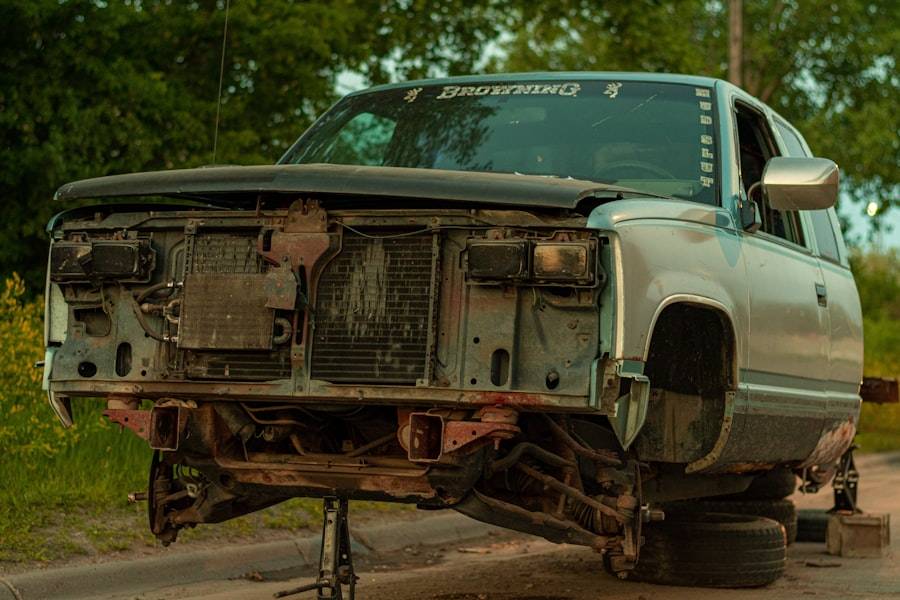
Once I had decided on the best route for selling my car, I delved deeper into the process itself. Understanding the steps involved was crucial for ensuring a smooth transaction. After listing my vehicle, I began receiving inquiries from potential buyers.
I made sure to communicate clearly about the car's condition and history, as transparency is key in building trust with buyers. I also prepared for test drives by ensuring the car was clean and presentable. Negotiation was another important aspect of the selling process that I had to navigate carefully.
I set a firm price based on my research but remained open to reasonable offers. This flexibility allowed me to engage in productive discussions with interested buyers while still aiming to achieve a fair deal.
Choosing the right buyer for my old car was one of the most critical decisions I faced during this process. A reputable buyer not only ensures that I receive fair compensation but also guarantees that the transaction is conducted legally and ethically. I took the time to research potential buyers by reading reviews and seeking recommendations from friends and family who had sold their vehicles before me.
This due diligence helped me avoid scams and shady dealings. Moreover, working with a reputable buyer often means that they have established processes for handling paperwork and vehicle disposal. This was particularly important for me since my car was damaged and required special attention during the sale.
Knowing that the buyer would handle these details allowed me to focus on other aspects of my life without worrying about potential legal issues arising from the sale.
| Metric | Details |
|---|---|
| Service Area | Minnesota |
| Vehicle Condition Accepted | Old, Damaged, Dead Cars |
| Types of Vehicles | Cars, Trucks, SUVs |
| Pickup Service | Free vehicle pickup available |
| Payment Method | Instant cash or check on pickup |
| Environmental Compliance | Proper recycling and disposal of vehicles |
| Typical Turnaround Time | Same day or next day service |
| Customer Support | 24/7 phone and online support |
As I prepared to sell my old car in Minnesota, several factors came into play that influenced my decision-making process. One of the primary considerations was the current market demand for used vehicles in my area. I researched local trends and found that certain makes and models were more sought after than others.
This information helped me set a competitive price that would attract buyers while still reflecting the car's condition. Another factor I considered was timing. The season can significantly impact the sale of a vehicle; for instance, spring and summer are often more favorable times for selling cars compared to winter months when people are less inclined to make large purchases.
Additionally, I thought about how quickly I wanted to sell the car.
One of the most rewarding aspects of selling my old car was understanding its positive environmental impact. Old vehicles are notorious for their inefficiency and higher emissions compared to newer models. By selling my car instead of letting it sit idle or attempting to repair it indefinitely, I contributed to reducing pollution levels in my community.
Many buyers focus on recycling parts or refurbishing vehicles rather than sending them straight to landfills. Additionally, selling my old car allowed me to support businesses that prioritize eco-friendly practices. Many reputable buyers have programs in place for recycling vehicles responsibly, ensuring that hazardous materials are disposed of correctly and that reusable parts are salvaged.
Knowing that my decision had a ripple effect on environmental sustainability made me feel good about my choice.
Throughout my journey of selling my old car, I encountered several misconceptions that often deter people from taking action. One common belief is that old cars are worthless and not worth the effort of selling. However, I discovered that even damaged or non-operational vehicles can hold value depending on their make and model.
Many buyers specialize in purchasing such cars for parts or refurbishment, meaning there’s often a market for them. Another misconception is that selling an old car is an overly complicated process fraught with legal hurdles. While there are indeed regulations to follow, especially in Minnesota, I found that being informed and organized made the process manageable.
With proper documentation and understanding of local laws, selling my vehicle became a straightforward task rather than an overwhelming challenge.
Understanding the legal requirements for selling my old car in Minnesota was essential for ensuring a smooth transaction. One of the first things I learned was the importance of having a clear title for the vehicle. Without it, selling the car could become complicated or even impossible.
If there were any liens on the vehicle or if it had been salvaged previously, additional steps would be necessary to clear those issues before proceeding with the sale. I also familiarized myself with Minnesota's regulations regarding bill of sale documentation and reporting the sale to the Department of Public Safety. Completing these steps not only protects me as a seller but also provides peace of mind for the buyer regarding ownership transfer and liability issues.
By being proactive about these legal requirements, I ensured that both parties were protected throughout the transaction.
To get the best possible price for my old car, I implemented several strategies aimed at maximizing its value. First and foremost, I invested time in cleaning and detailing the vehicle before showing it to potential buyers. A clean car creates a positive first impression and can significantly influence how much someone is willing to pay.
Even minor repairs—like fixing small dents or replacing burnt-out lights—can enhance its appeal. Additionally, gathering all relevant documentation helped establish credibility with buyers. Providing maintenance records and proof of ownership reassured potential buyers about the vehicle's history and condition.
Furthermore, being flexible with negotiation while still having a firm bottom line allowed me to engage buyers effectively without undervaluing my car.
After selling my old car, I found myself reflecting on its potential uses beyond just being a mode of transportation. Many buyers are interested in repurposing old vehicles for various creative projects—turning them into art installations or using parts for DIY projects is becoming increasingly popular among enthusiasts. This realization made me appreciate how versatile an old vehicle can be even after it has outlived its original purpose.
Moreover, some buyers may choose to restore old cars as a hobby or investment opportunity. Classic cars often hold sentimental value and can be transformed into stunning restorations over time. Knowing that my old vehicle could find new life in such ways added an extra layer of satisfaction to the sale.
Finding the right buyer for my old car was crucial in ensuring a successful sale experience. As mentioned earlier, conducting thorough research played an essential role in this process. I explored various platforms—both online marketplaces and local dealerships—to gauge where demand was highest for vehicles like mine.
Networking within local communities also proved beneficial; word-of-mouth recommendations often lead to trustworthy buyers who are genuinely interested in purchasing old cars. Engaging with local automotive groups on social media allowed me to connect with potential buyers who shared similar interests in vehicles and were more likely to appreciate what my car had to offer. In conclusion, selling my old, damaged, or dead car has been an enlightening experience filled with numerous benefits—from decluttering my space to contributing positively to the environment.
By understanding the process thoroughly and choosing reputable buyers while considering various factors along the way, I successfully navigated this journey with confidence and satisfaction.
If you're looking to sell your old, damaged, or dead car in Minnesota, you might find our article on cash for junk cars without title near Columbia Heights particularly helpful. This resource provides insights on how to navigate the process of selling a vehicle that may not have all the necessary paperwork, ensuring you get the best deal possible. Whether you're in Columbia Heights or elsewhere in Minnesota, we can help you turn that unwanted car into cash!
We buy old, damaged, and dead cars of all makes and models in Minnesota. Whether your vehicle is no longer running, has been in an accident, or is simply outdated, we are interested.
Yes, having the vehicle title is typically required to complete the sale. It proves ownership and allows for a smooth transfer of the vehicle.
We assess the value based on factors such as the car’s condition, make, model, year, mileage, and current market demand for scrap or parts.
In most cases, we offer free towing or pickup services within Minnesota when you sell your car to us.
Payment is usually made promptly, often on the same day as the vehicle pickup or shortly after the sale is finalized.
Yes, we buy cars that are not running, including those that are dead or have major mechanical issues.
You will need to provide the vehicle title, a valid ID, and any other documents required by Minnesota state law to complete the sale.
Yes, we buy cars that have been damaged in accidents regardless of the extent of the damage.
Yes, selling your car to a professional buyer ensures it is properly recycled or dismantled, reducing environmental impact.
We provide car buying services throughout Minnesota, including major cities and surrounding areas.
